Minneapolis Home Architecture Styles Guide for Buyers
June 18, 2026
June 18, 2026
Buying in Minneapolis is not just about price, location, or square footage. Home style can tell you a lot about how a house may live, what kind of upkeep it may need, and how much flexibility you may have for future updates. If you want to shop with more confidence, it helps to know what you are seeing before you book a tour. Let’s dive in.
In Minneapolis, a large share of the housing stock was built before 1980. Some south and southwest neighborhoods have especially high shares of older homes, including Lynnhurst at 96.1%, Tangletown at 96.0%, Armatage at 97.4%, and Kenny at 96.7%.
That older-house pattern shapes what buyers see in listings. In many parts of the city, style is a useful shortcut for understanding a home’s era, likely floor plan, exterior materials, and renovation needs. In areas like North Loop, Nicollet Island-East Bank, and Downtown West, lower pre-1980 housing shares line up more closely with lofts, conversions, and redevelopment.
Minneapolis neighborhoods are also often mixed rather than uniform. For example, the city’s historic studies note that Lowry Hill East includes Colonial Revival and Queen Anne homes, along with Prairie School and Craftsman examples, while Lynnhurst reflects Colonial Revival, Classical Revival, Tudor Revival, and Prairie School influences.
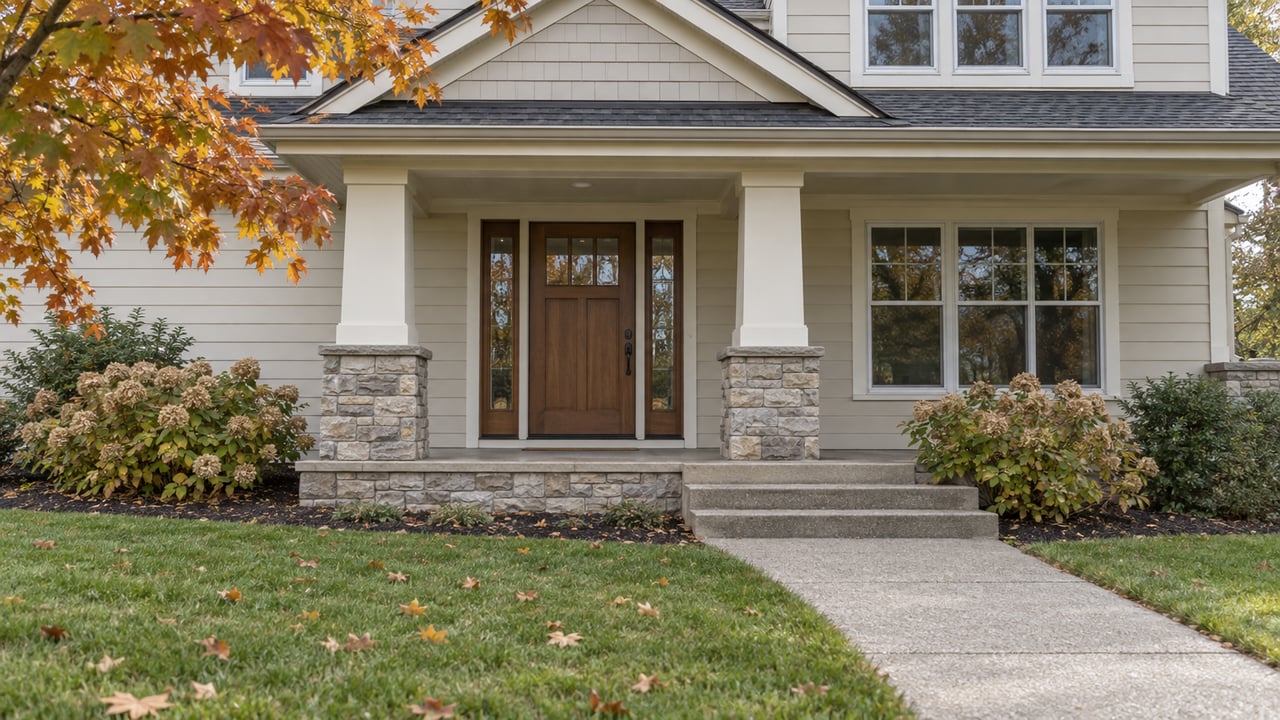
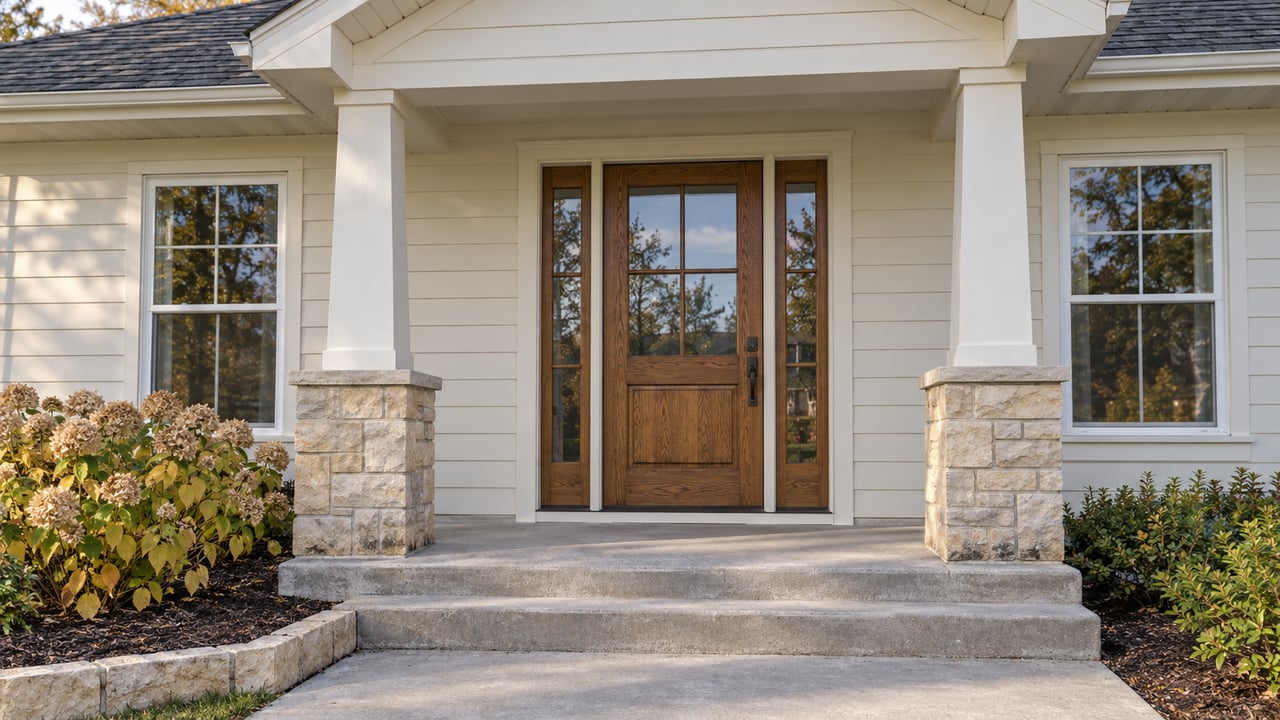
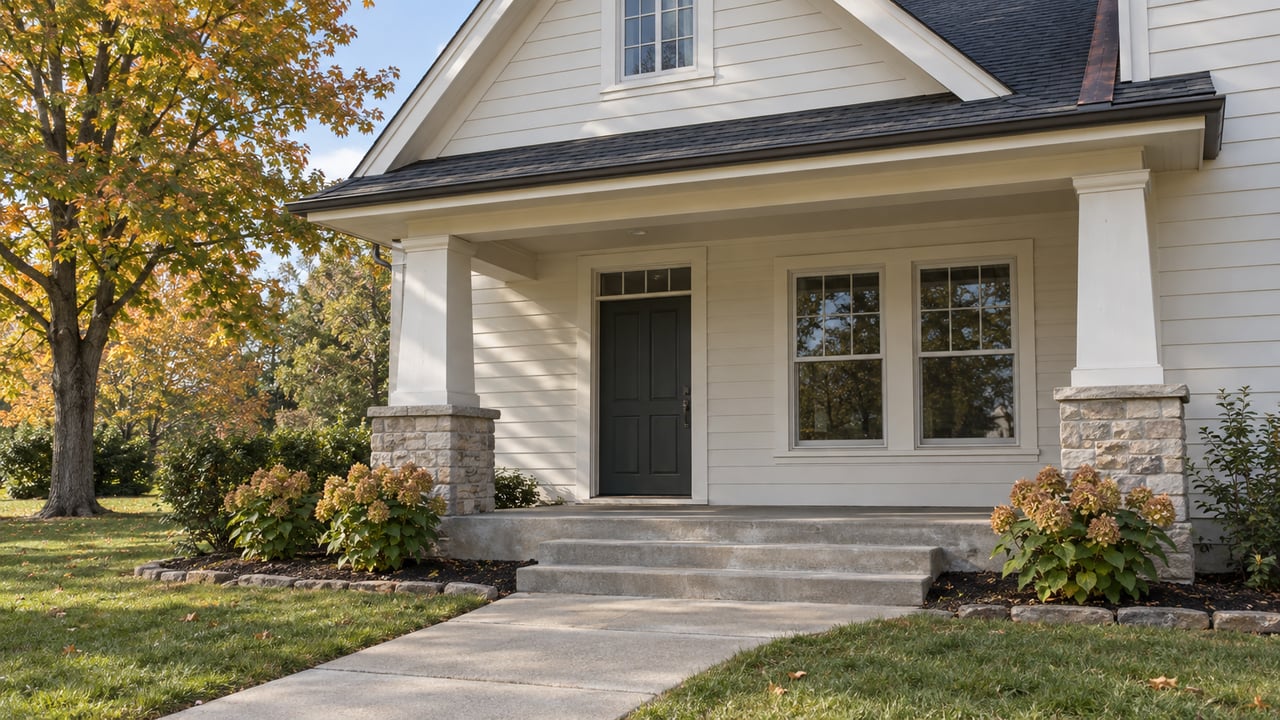
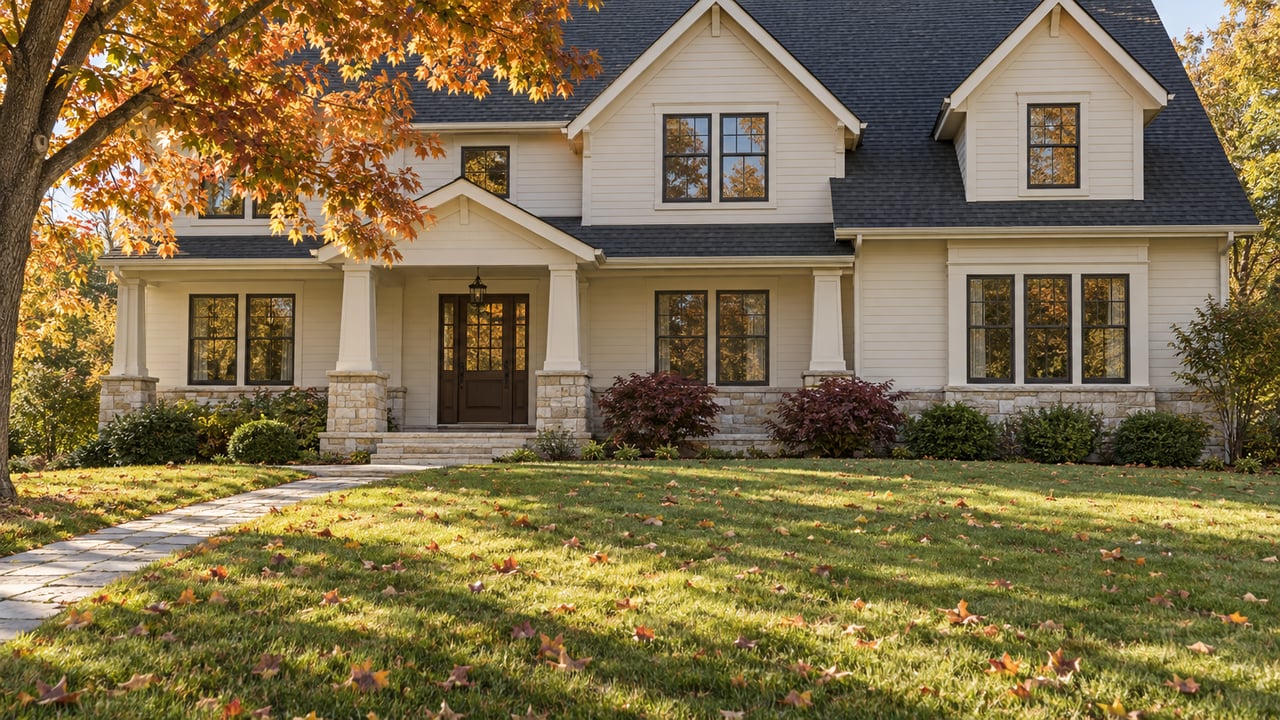
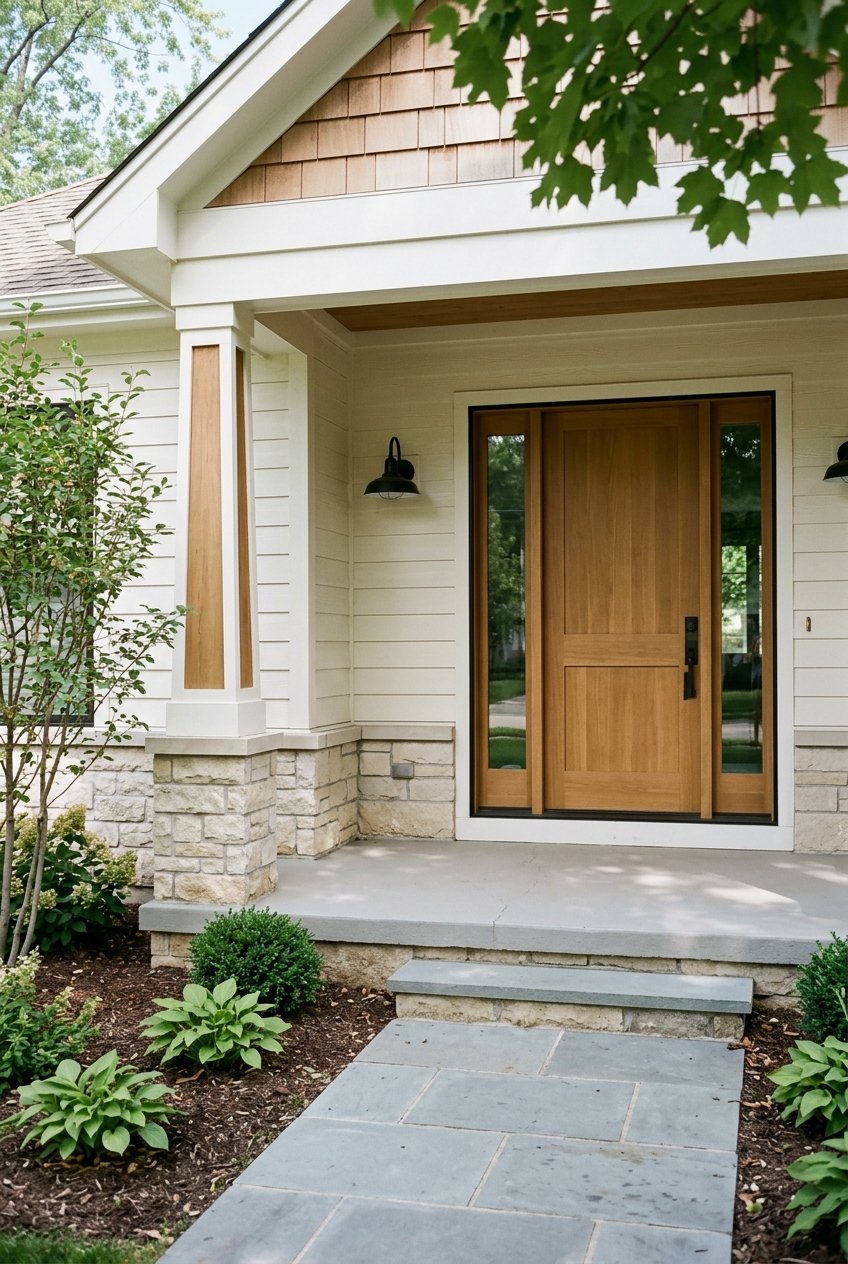
Craftsman and bungalow homes are some of the easiest styles to recognize in Minneapolis. You will often see one- to one-and-a-half-story forms, low-pitched roofs, wide eaves, exposed rafters, and a half-width or full front porch.
Inside, these homes often feel compact, practical, and welcoming. Many have a more open or semi-open layout than older formal homes, along with built-in woodwork and strong porch-to-living-space connection.
From a buying standpoint, pay close attention to wood trim, porches, older windows, and system updates. In older homes, energy efficiency can vary, and unrenovated properties may involve aging materials or systems that need closer review.
Prairie-influenced homes usually have a low hipped roof, wide overhanging eaves, grouped windows, and a strong horizontal feel. They often read as broader and more substantial than a bungalow, with stucco or masonry playing a bigger visual role.
These homes can offer a nice middle ground between charm and structure. Interiors may feel a bit more formal in rhythm, though some Minneapolis examples also show more open connections between rooms.
As you evaluate them, focus on rooflines, masonry, and original window groupings. Those details are central to the style and can affect long-term maintenance planning.
Colonial Revival homes are usually more symmetrical and more traditional in appearance. Common clues include a rectangular shape, a centered or classical porch, brick or clapboard siding, and dormers.
If you like a more classic, room-by-room layout, this style may appeal to you. These homes often offer familiar curb appeal and a more formal interior plan than a bungalow or contemporary house.
When touring or reviewing inspections, look closely at brick condition, porches, dormers, and replacement windows. If the home is in a historic district, exterior changes may be more closely regulated.
Tudor Revival homes stand out for their steep multi-gable roofs, half-timbering, stucco or stone surfaces, prominent chimneys, and narrow windows. In Minneapolis, they often have a cozy, storybook look that feels distinct from other early 20th-century styles.
These homes tend to feel character-rich and a bit more enclosed inside. If you love texture, visual detail, and a home with strong personality, Tudor can be a compelling fit.
The tradeoff is often exterior upkeep. Complex rooflines, masonry, stucco, and decorative wood details can all add to maintenance over time.
Queen Anne homes are among the most visually expressive houses you will see in Minneapolis. Look for irregular shapes, towers or bays, mixed exterior textures, stained glass, and decorative woodwork.
These homes often deliver standout curb appeal and memorable architectural detail. Inside, the layout can be less predictable, and room shapes may be more varied than what many buyers expect in newer homes.
That charm can come with added work. More ornament, more projections, and more materials usually mean more exterior upkeep to budget for.
Mid-century modern homes take a very different approach from pre-war Minneapolis houses. Instead of ornament and layered detail, they usually emphasize clean lines, large window areas, and a stronger visual connection between indoor and outdoor spaces.
These homes often feel bright, efficient, and casual. If you prefer openness and simplicity over decorative trim and formal rooms, this style may feel like a natural fit.
As a buyer, pay close attention to roof condition, windows, and mechanical systems. Original glass, insulation, and older components can affect both comfort and future improvement costs.
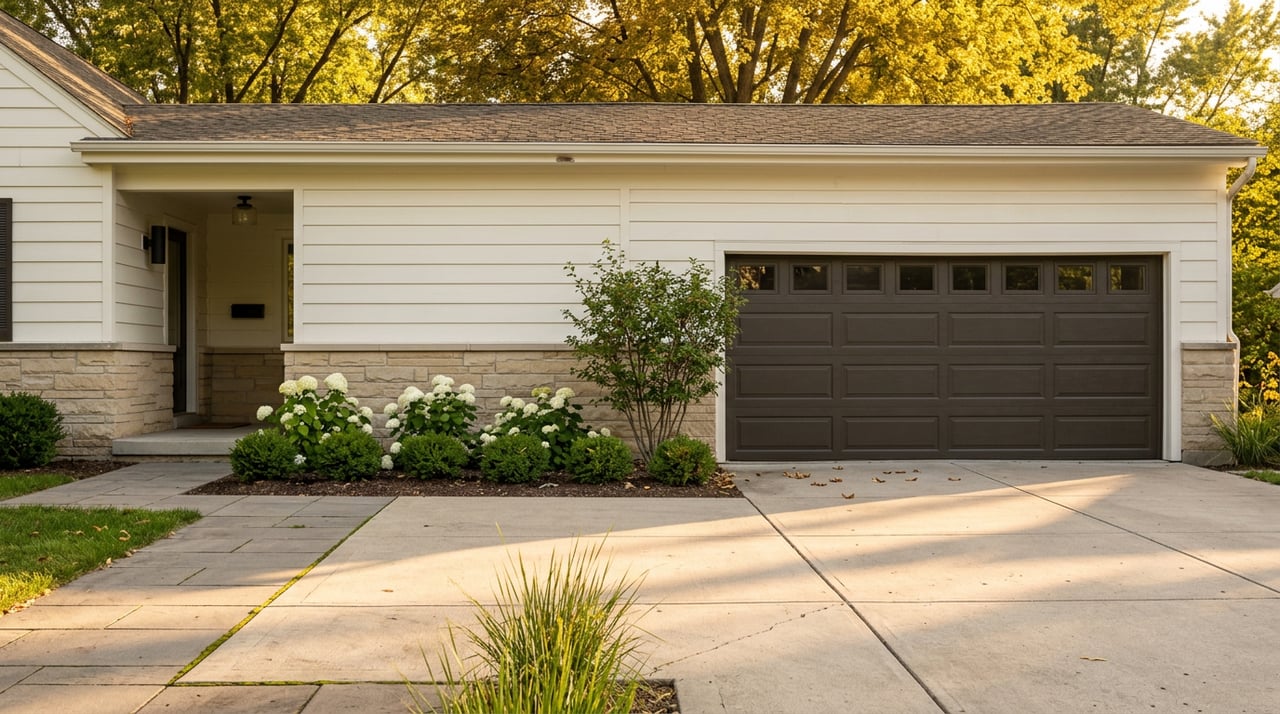
Ranch and split-level homes are common postwar forms tied to simpler circulation and more day-to-day ease. Compared with older character homes, they generally trade ornament for practical layouts and more car-oriented site planning.
For many buyers, the appeal is straightforward living. These homes can feel easier to navigate, easier to furnish, and more intuitive for daily routines.
When comparing them with older Minneapolis homes, think less about decorative style and more about flow, natural light, and how the layout supports your needs. That is often where their value becomes clearest.
Contemporary homes can vary, but common features include flat or gable roof forms, asymmetrical window placement, clerestory windows, overhanging eaves, exposed beams, and heavy piers. Some borrow from International Style, while others blend in Craftsman or Prairie influences.
These homes usually feel open, flexible, and light-filled. If you want a less traditional look and a layout that feels more adaptable, contemporary architecture may stand out quickly.
The maintenance conversation matters here too. Window walls, unusual roof geometry, and custom original details can be more expensive to repair or replace.
If you are shopping in North Loop or Downtown West, loft-style living may be part of your search. The Minneapolis Warehouse Historic District began as a commercial and industrial area, and preservation efforts helped support later conversion into office, residential, and commercial uses.
For buyers, that history often translates into open floor plans, high ceilings, and an industrial feel. Even if a listing does not use the word loft prominently, terms like converted warehouse or historic loft are strong clues.
This is one area where neighborhood context helps a lot. North Loop, Nicollet Island-East Bank, and Downtown West all have much lower shares of pre-1980 housing than older south Minneapolis neighborhoods, which fits their redevelopment-heavy housing mix.
The roof often gives away the style first. Low-pitched gables and wide eaves often point to Craftsman, low hipped roofs can suggest Prairie or foursquare forms, steep multi-gables often suggest Tudor, and irregular rooflines may hint at Queen Anne.
Flat or very low roofs paired with broad glass areas can signal mid-century modern or contemporary design. If you learn to spot the roofline first, listing photos become much easier to decode.
Windows can confirm what the roofline suggests. Grouped windows and ribbon-like bands fit Prairie and modern homes, symmetrical double-hung windows often align with Colonial Revival, and narrow leaded or multi-pane windows can point toward Tudor.
In older homes, stained glass and oriel windows are especially useful clues for Queen Anne styling. Window type also matters beyond style because it can affect maintenance, efficiency, and replacement planning.
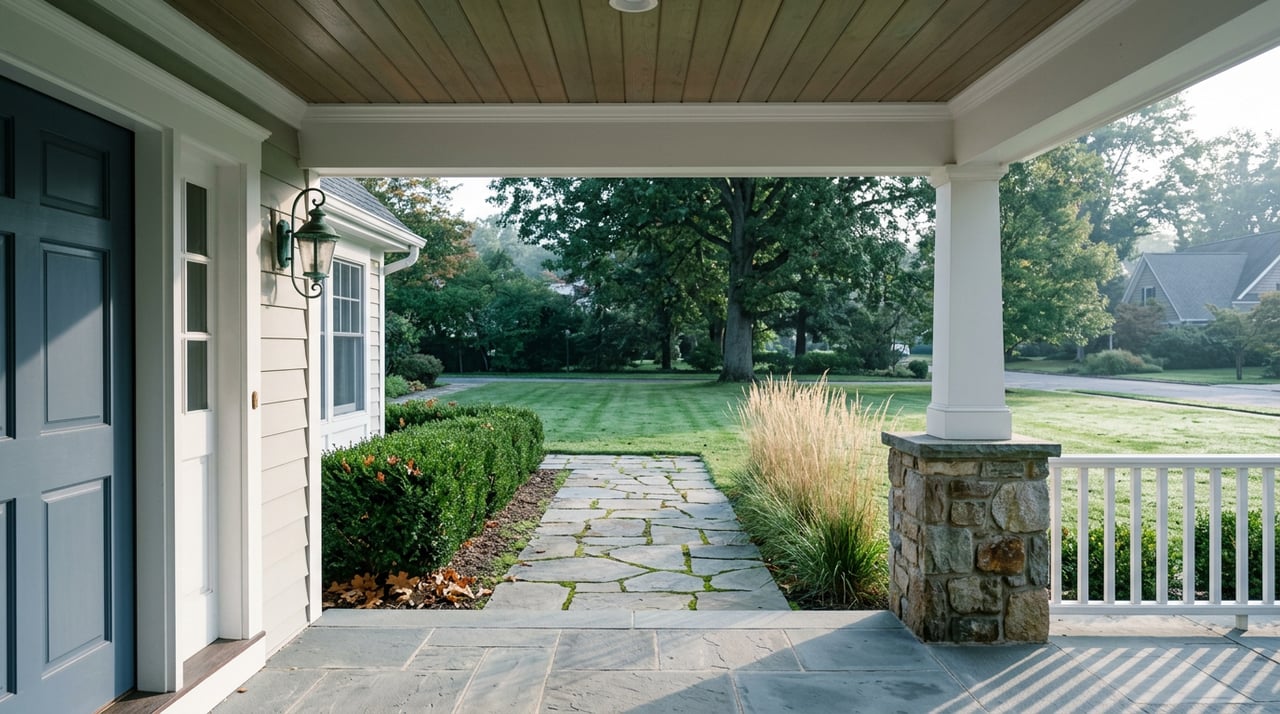
Porches tell you a lot about how a home meets the street. Broad front porches often show up in Craftsman and Prairie homes, centered porches with columns are common in Colonial Revival, and offset or more decorative entries are often associated with Queen Anne houses.
These details are not just visual. They also shape the home’s personality and how formal or informal it may feel when you arrive.
Exterior materials offer another fast clue. Wood shingles, clapboard, and natural wood details often appear in Craftsman and Queen Anne homes, while brick and clapboard are common in Colonial Revival.
Stucco and stone with half-timbering usually suggest Tudor. Exposed brick and industrial materials can point to a loft conversion or adaptive-reuse property.
Certain listing words can help you read between the lines. Phrases like historic district, original millwork, built-ins, leaded glass, warehouse conversion, clerestory, or open floor plan often hint at style, renovation level, and what the seller sees as the home’s defining features.
The key is not to stop at the headline. Listing language is most useful when it matches what you are already seeing in the photos.
Minneapolis has more than 200 locally designated landmarks and historic districts. If a home is a designated historic property, exterior changes require approval under city design guidelines.
That does not make historic homes a bad choice. It simply means you should understand early on whether preservation rules may affect window replacement, exterior materials, porch work, or other visible changes.
If you are drawn to historic character, this is an important part of buying smart. A beautiful exterior may come with more guidance on what can be changed and how that work should be done.
In Minneapolis, style and age often go hand in hand. Older homes can offer amazing character, but they may also be less energy efficient and more likely to have aging systems if updates have been limited.
That is why cosmetic appeal should never be the whole story. Before you fall in love with millwork or stained glass, make room in your budget and decision-making for windows, roofs, masonry, porches, and mechanical systems.
The right home is not always the one with the most charm on day one. It is the one whose style, condition, and upkeep fit your goals and comfort level.
If you want help narrowing down which Minneapolis home styles fit your lifestyle, renovation appetite, and neighborhood goals, Sara Moran offers thoughtful, high-touch guidance designed to make your next move feel clear and well supported.
Stay up to date on the latest real estate trends.