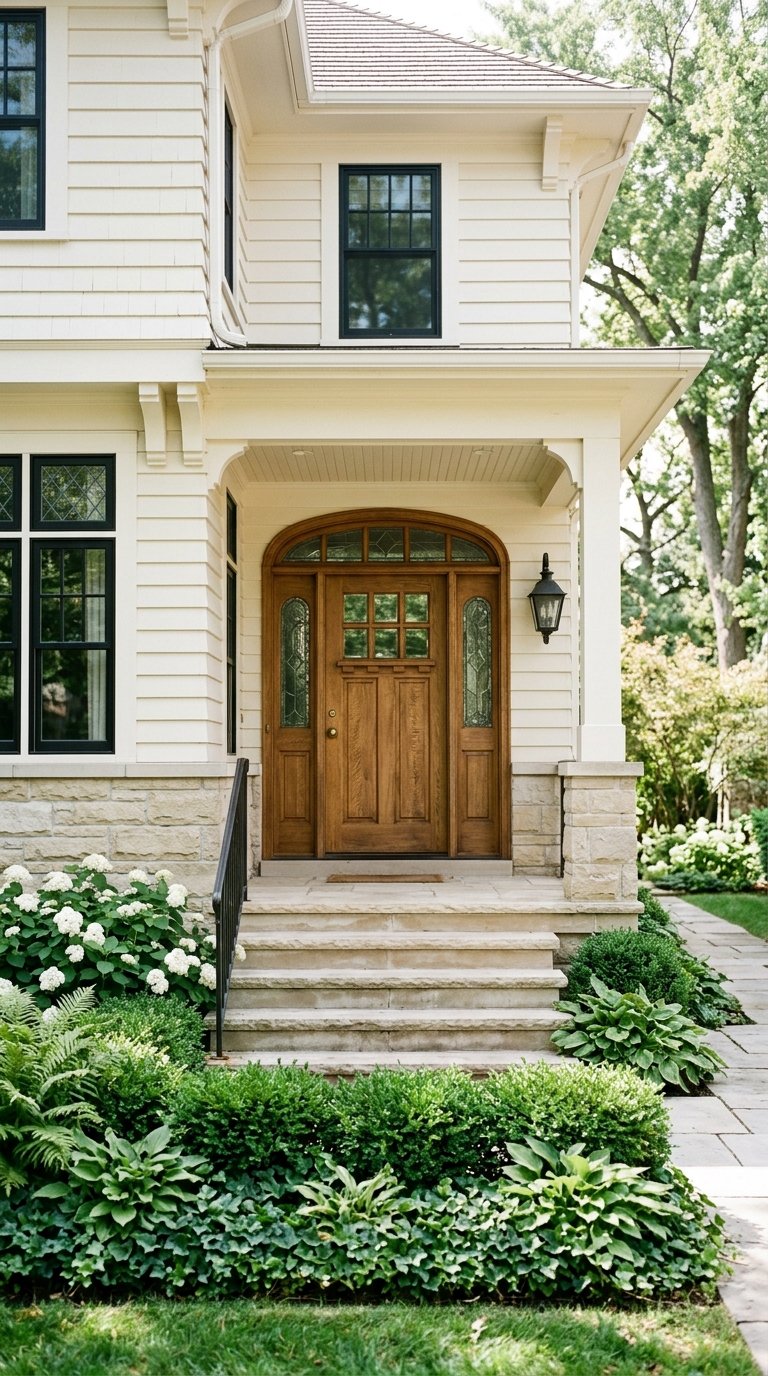
Buying a Character Home in St. Paul With Confidence
May 28, 2026
May 28, 2026
Falling for a St. Paul character home is easy. Avoiding expensive surprises takes a little more work. If you are drawn to original woodwork, old windows, plaster walls, and the kind of architectural detail newer homes rarely match, you are not alone. The good news is that you can buy an older home in Saint Paul with confidence when you know what to check before you write an offer. Let’s dive in.
Saint Paul is a city that openly values its historic identity. The city describes itself as a city of neighborhoods with old neighborhoods, historic interest, and time-honored traditions, and it highlights places like Summit Avenue, Lowertown, Irvine Park, Historic Hill, Dayton's Bluff, and Summit Avenue West as part of that heritage.
That matters because a character home here is often part of a broader preservation context. In practical terms, your future renovation plans, exterior updates, and even maintenance choices may be shaped by city rules, district standards, or the historic nature of the property itself.
Saint Paul’s comprehensive plan also supports preserving history, maintaining housing, and guiding development to fit neighborhood context. So if you are buying an older home in 55101, it helps to think beyond finishes and square footage. You also want to understand how the home fits into the city’s long-term preservation approach.
There is a reason buyers keep coming back to historic homes. Original trim, hardwood floors, fireplaces, radiators, transoms, hardware, plaster details, and older doors can give a home warmth and personality that is hard to replicate.
Many of these are considered character-defining features in preservation guidance. That does not mean you can never update them, but it does mean original materials often add real value to the home’s look and feel, especially when they have been maintained rather than stripped out.
It is also worth noting that old does not automatically mean inefficient. Guidance on older homes points to strategic improvements like air sealing and insulation as a better path than assuming every older feature needs to be replaced.
Charm and age often come together. So do condition issues. In Saint Paul, the smartest buyers go in expecting a different risk profile than they might see in a newer home.
A useful rule of thumb is to think in layers. Start with health and safety, then move to water and structure, then systems, and only after that focus on cosmetic projects.
Minnesota Department of Health guidance says about 75 percent of homes built before 1978 contain some lead-based paint. Common risk areas include chipped paint, soil around the home, and some plumbing-related concerns.
If you are considering remodeling, lead matters even more. Disturbing painted surfaces can create lead dust, so it is important to ask what has been tested, what has been repaired, and whether any future work will need lead-safe practices.
The Minnesota Department of Health recommends that every Minnesota home be tested for radon. This is one of the simplest questions to ask before you move forward, especially if the seller has prior test results or mitigation records.
Older homes often tell the truth in the basement first. Preservation guidance notes that ground moisture and poor runoff can lead to damp basements and deterioration in masonry and adjacent wood.
When you tour a home, pay attention to signs of water management issues. Musty odors, staining, past patching, or visible drainage concerns may signal that you need a closer look before you commit.
Asbestos is not always a reason to panic, but it is a reason to slow down and get clear information. EPA guidance says asbestos materials that are undamaged and undisturbed often can remain in place, but if remodeling will disturb them, trained and accredited professionals should handle that work.
If you are buying with renovation plans in mind, this is especially important. A cosmetic update can become a much larger project if older materials need specialized handling.
Saint Paul gives buyers several useful checkpoints, and these are especially important for older homes. If you want fewer surprises, make these part of your early review process rather than an afterthought.
Saint Paul requires a Truth-in-Sale of Housing evaluation before marketing most single-family homes, duplexes, condos, and townhomes. The city describes this report as disclosure only, which means it is a tool to help you understand known conditions, not a guarantee that everything is perfect.
Still, it is one of the most valuable documents you can review. It can help you identify flagged issues early and decide where you may want more inspection or contractor input.
Open permits are one of the most overlooked older-home risks. Saint Paul’s TISH basics say permits should be finaled before closing and that permits do not transfer to the next owner.
That means unfinished permit work can become your problem after closing if it is not handled ahead of time. Ask directly whether there are any open permits or unfinished inspections and request documentation.
If the home is a designated historic property or located in a historic district, exterior work may face added restrictions. Saint Paul says historical properties require a General Building Permit Application, and exterior work in designated historic districts may also require Heritage Preservation Commission approval before a permit can be issued.
This does not mean you should avoid the property. It means you should understand the approval path before assuming you can change windows, alter siding, build an addition, or make other exterior updates.
One of the best ways to stay calm in an older-home purchase is to budget in the right order. Buyers often get excited about paint colors, kitchens, and lighting first. In a character home, the smarter sequence is usually less glamorous.
Start with the essentials:
This order helps you protect both your budget and the home itself. It also keeps you from spending money on finishes before solving the issues that matter most.
A good renovation plan does not try to erase an older home’s age. It helps the home function better while respecting the features that make it special.
Preservation guidance generally favors retaining original materials and character-defining features when possible. That includes windows, trim, flooring, doors, hardware, and other visible details that shape the home’s identity.
For windows in particular, replacement is not automatically the best answer. Preservation guidance says both condition and historic importance matter, so your decision should be based on the actual state of the window and the role it plays in the home’s character.
For energy improvements, modest and targeted upgrades are often the best fit. Air sealing and insulation can improve comfort and efficiency without damaging historic finishes or details.
If you are serious about a St. Paul character home, the right questions can save you time, money, and frustration. These are the ones most likely to surface real issues early.
These questions do more than protect you from surprises. They also help you understand whether the home’s charm is manageable, well maintained, and aligned with your goals.
Buying a character home in Saint Paul is not about finding a perfect old house. It is about knowing what you are buying, what you may need to address, and how to plan for ownership with open eyes.
In 55101 and the surrounding Saint Paul core, the most successful buyers usually take a calm, informed approach. They appreciate original details, respect the home’s age, and do the due diligence needed to separate manageable updates from true red flags.
If you are considering a character home and want a thoughtful strategy from the start, Sara Moran can help you evaluate the details, ask the right questions, and move forward with clarity.
Stay up to date on the latest real estate trends.