Minneapolis Luxury Condo Amenities That Truly Matter
March 24, 2026
March 24, 2026
What truly sets a luxury condo apart in Minneapolis is not just the address. It is how the building helps you live well through every season, from winter commutes to summer by the water. If you are weighing buildings across downtown and nearby neighborhoods, the right amenities can boost daily comfort, reduce errands, and support resale value.
In this guide, you will learn which amenities matter most in Minneapolis, how they influence HOA dues and long-term value, and what to verify before you buy. Let’s dive in.
Minneapolis winters are long and cold, which makes indoor, weather-protected features more than nice-to-haves. A strong fitness center, indoor pool or spa, and heated parking often see heavy seasonal use. State climate summaries confirm a distinctly seasonal pattern, even as winters have warmed in recent decades. You can review the climate context through the University of Minnesota’s summaries for added perspective on year-round living.
Downtown walkability also looks different here. The enclosed Minneapolis Skyway System connects many buildings for weather-safe access to offices, dining, and events. If you want car-light living, a building with direct skyway access can be a major plus.
Lifestyle near the water is a core draw. The Minneapolis Chain of Lakes and riverfront parks are prized for views, trails, and open-space access. Condos that overlook or connect easily to these destinations often command attention from buyers.
Finally, consider market context. Recent reporting and market briefs show renewed transaction activity in the downtown condo segment and note that HOA and insurance costs have been a headwind in some buildings. It is wise to evaluate both the amenity package and the association’s financials before deciding.
Luxury starts with attentive service. A staffed front desk, concierge, or valet simplifies deliveries, guest access, and maintenance requests. Guest suites, dry-cleaning partnerships, and secure package rooms add daily convenience. These services improve quality of life, but they also increase operating costs, which can show up in HOA dues.
What to verify: Ask for a scope of services and hours, whether staffing is in-house or under contract, and how those costs show up in the annual budget.
A complete fitness center with training space, group studios, and spa features signals a luxury focus. In Minneapolis, indoor pools, saunas, and steam rooms are strong differentiators during winter. Golf simulators and sport courts add year-round activity without leaving the building.
What to verify: Condition and maintenance schedules matter. Ask how often amenities close for repairs, whether usage requires reservations, and if there are monthly use reports.
If you work hybrid or from home, look for bookable coworking rooms, conference spaces, and phone booths. Building-wide high-capacity internet or fiber makes video calls and large file transfers reliable.
What to verify: Ask about internet providers, speeds, redundancy, and whether meeting rooms are free to reserve or fee-based.
Rooftop terraces, fire pits, and landscaped courtyards expand your living area in warmer months. Private balconies and terraces add everyday value. In Minneapolis, views of the river or the Chain of Lakes are especially sought after and can support resale interest.
What to verify: Confirm which exterior spaces are deeded private vs. common areas, and review any usage rules or quiet hours.
Heated or covered parking is a clear premium in cold climates. EV charging, secure bike rooms, and visitor parking round out a strong mobility package. Transit proximity can change how much parking you need, especially if you plan to use light rail for work or events.
What to verify: Is parking deeded or leased, and how does that affect resale? Ask about EV-ready stalls, charging fees, and who pays for heating the garage.
Pet-wash stations, indoor-outdoor dog runs, and nearby parks can make daily routines easier. Clear pet policies and practical facilities often draw pet owners who value convenience.
What to verify: Review pet rules, size limits, fees, and the location of relief areas.
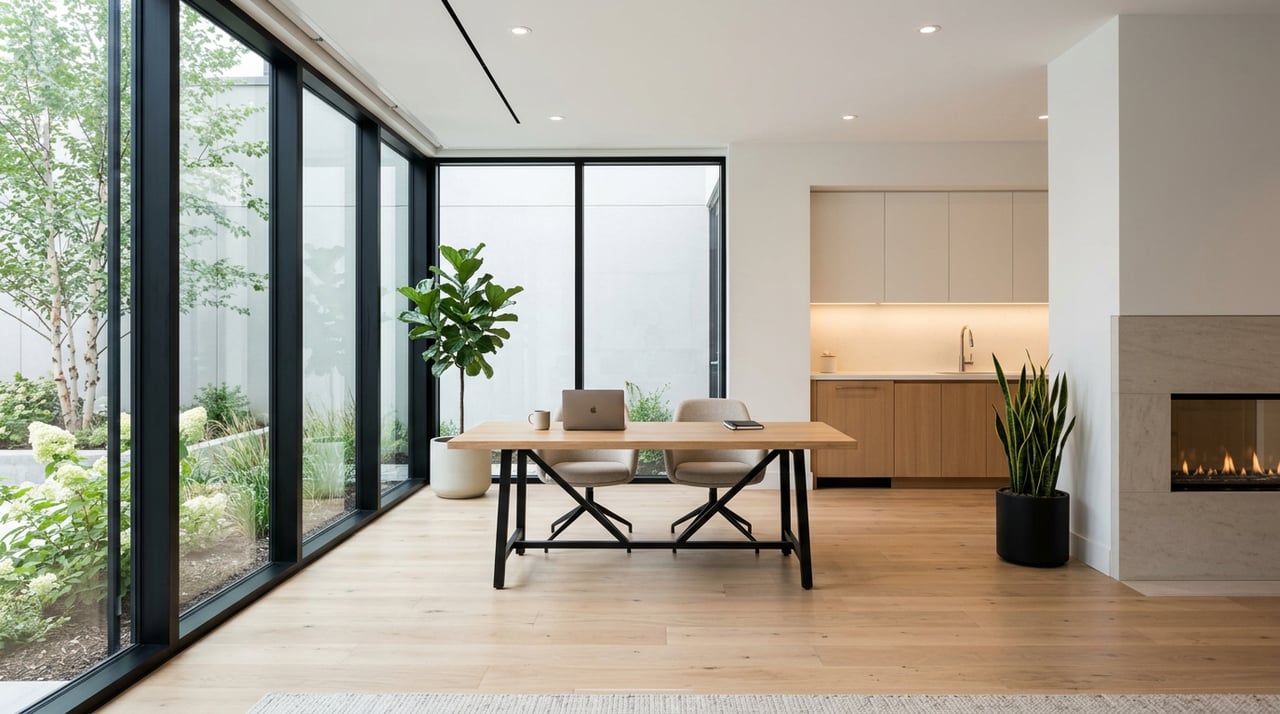
Top-tier appliances, stone counters, hardwood floors, and tall ceilings deliver a refined feel. Floor-to-ceiling windows and smart-home controls add both style and function. Pay attention to the less visible systems too. Quality windows, insulation, and HVAC can improve comfort and utility costs.
What to verify: Document appliance brands and ages, HVAC type and service history, window quality, and any recent in-unit upgrades.
Secure keyless entry, cameras, and on-site maintenance are table stakes in luxury buildings. Energy-efficient features, water detection systems, and robust reserve funding add confidence in the building’s resilience. In a period of rising insurance costs, a proactive capital plan and healthy reserves are meaningful selling points.
What to verify: Ask for the latest reserve study, funding level, and a summary of planned capital projects.
Premium amenities often increase both the list price and monthly HOA dues. Staffed services, indoor pools, and heated parking are wonderful to have, but they carry operating and insurance costs. Local coverage has spotlighted how higher insurance and operating expenses are influencing association budgets, which buyers feel month to month.
There is also a value side to this story. Research shows that amenity density and proximity to urban amenities tend to correlate with higher property values, though quality, management, and maintenance drive the outcome more than a long checklist. Well-run programs that remain open, clean, and easy to book typically support value better than an underused or frequently closed set of features.
Finally, separate your monthly expenses clearly. Property taxes are assessed by Hennepin County and are not included in HOA dues. Ask for recent tax assessments and the valuation notice timeline so your full monthly cost picture is accurate.
Look for reliable concierge and package handling, fast building-wide internet, coworking rooms, and easy transit access. If you plan to rely on light rail for commutes or events, evaluate how the building’s location lines up with stations and skyway access.
Focus on accessible layouts, on-site management, guest suites for visitors, and larger storage. Deeded parking and in-building maintenance may offer more day-to-day value than boutique amenities you will rarely use.
Resources to support your review: NAR’s condominium guidance and the Minneapolis Skyway overview.
A hospitality-heavy building with a staffed desk, indoor pool, spa, and heated parking will feel indulgent and convenient. You will likely pay higher monthly dues, which makes understanding the budget and reserves essential. A simpler building with excellent construction, strong in-unit systems, and limited shared spaces may trade a lower HOA for fewer services, while still delivering superb livability and quiet luxury.
The right choice comes down to how you live: whether you want an on-site gym and concierge to streamline weekdays, a rooftop and lake views to savor summer evenings, or a practical package with heated parking and solid reserves for predictability.
If you want help matching amenities to your day-to-day and your budget, connect with Sara Moran. You will get clear guidance, local insight, and a focused search that prioritizes comfort, value, and long-term confidence. Let’s talk about your next move.
Stay up to date on the latest real estate trends.