St Louis Park Condo vs House: How to Choose Well
May 21, 2026
May 21, 2026
Trying to decide between a condo and a house in St. Louis Park? You are not alone. In 55416, buyers often want the same things at once: convenience, value, privacy, and a home that fits real life without stretching time or budget too far. This guide will help you compare the tradeoffs, understand how the local market shapes your options, and choose the property type that fits your lifestyle best. Let’s dive in.
St. Louis Park is a competitive market, which makes every housing decision feel a little more important. Recent market trackers put the median sale price in the high $300,000s, with homes going pending in about 14 days on Zillow and a median 19 days on market according to Redfin.
That pace matters if you are weighing a condo against a house. You may not have unlimited time to sort through options, so it helps to know what each property type offers before you start writing offers.
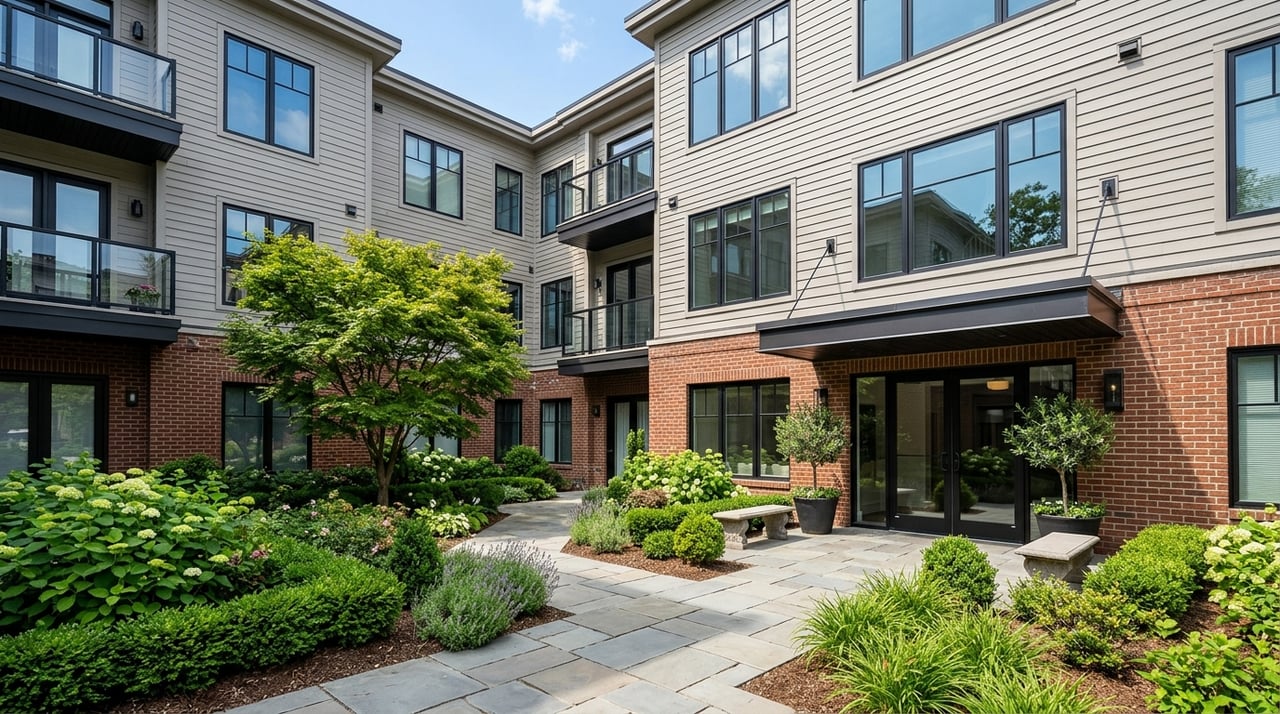
St. Louis Park also has a mix of housing that makes this a real choice, not just a theory. A city housing analysis found that about 49% of local housing units are single-family, and the city has 41 condominium projects totaling 2,756 units.
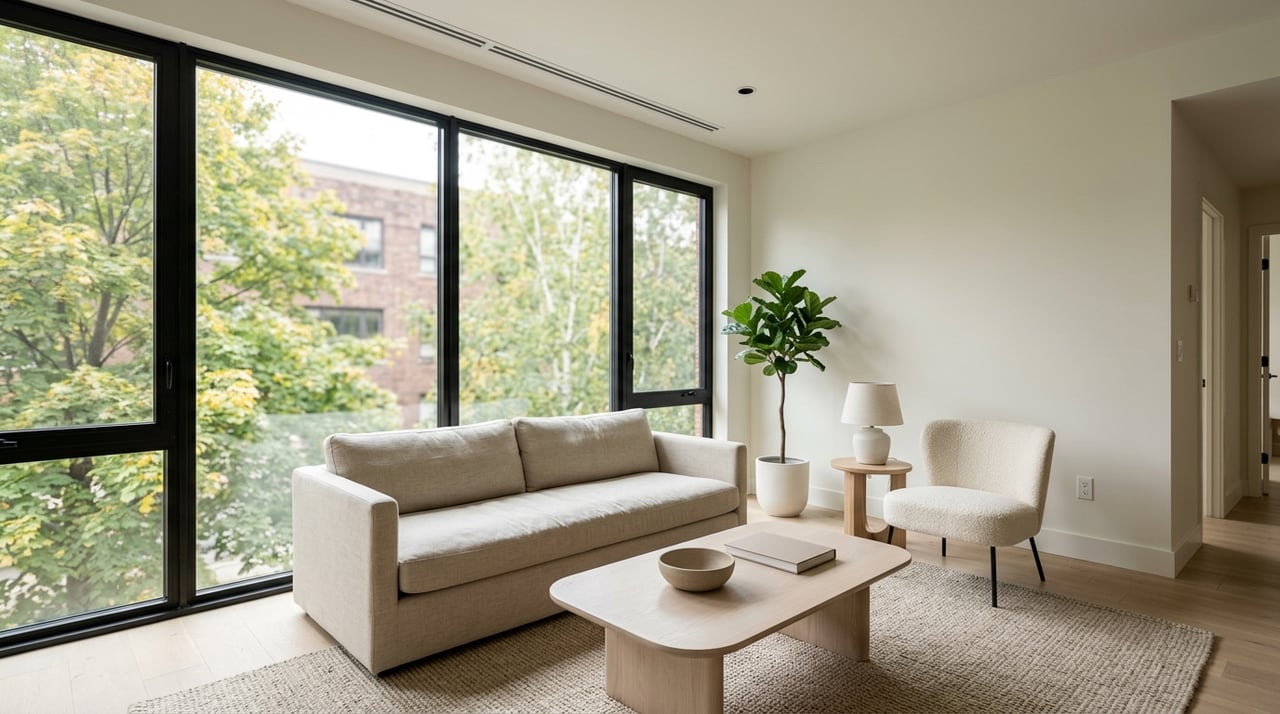
Condos are a meaningful part of the local housing mix, especially for buyers who want a more maintenance-light ownership experience. The city’s housing analysis notes that condos and similar attached homes often appeal to professionals, singles, couples, empty-nesters, retirees, and younger households seeking lower upkeep or a more affordable path to ownership than a detached home.
In St. Louis Park, that can line up well with the city’s location and layout. With trails, parks, and improving transit access, attached housing can be a practical fit if you want a central lifestyle with less day-to-day property work.
A condo can simplify homeownership in a few important ways:
In Minnesota common interest communities, the association typically maintains common elements, budgets for reserves, and carries required insurance to the extent reasonably available. Associations may also levy regular assessments, special assessments, and fines, which is why the monthly payment is only part of the cost picture.
When you buy a condo, you are not only buying the unit. You are also buying into the association structure, rules, and financial health of the project.
Minnesota expects buyers to review key documents before closing, including the declaration, bylaws, rules, financials, and the resale disclosure package. Under Minnesota law, the seller must provide required common interest community documents and a resale disclosure certificate dated within 90 days before execution of a purchase agreement or conveyance.
If those disclosures are not delivered on time, a buyer generally has a 10-day cancellation window after receipt. That gives you an important layer of due diligence, but it only helps if you read the documents carefully and ask good questions.
One of the biggest surprises for buyers is that condo financing is not always just about you. It can also depend on the project itself.
Fannie Mae and Freddie Mac both review project-level factors such as budgets, reserve studies, litigation, occupancy, and overall eligibility. Freddie Mac also identifies ineligible projects that may have issues like critical repairs, litigation, or too much ownership concentration by a single investor.
That does not mean condo financing is unusually difficult across the board. It does mean you should treat lender approval and project review as part of the search process, not as an afterthought once you are already emotionally committed.
If a condo is about lower upkeep and shared structure, a house is usually about privacy, space, and control. A detached home often gives you your own lot, more separation from neighbors, and greater freedom to update the property over time.
For many buyers, that autonomy is the main draw. You can shape the space more directly, handle improvements on your timeline, and use the outdoor areas in a way that fits your life.
A detached house often makes sense if you want:
The tradeoff is responsibility. Without an association handling common elements, you are usually the one managing repairs, exterior upkeep, seasonal work, and long-term capital items.
Local supply also shapes the house side of the decision. St. Louis Park’s housing analysis says new single-family construction is constrained by land availability and cost, and much of the newer supply comes through teardowns, lot splits, or redevelopment.
That matters because lower-priced new single-family homes are difficult to build in the city. In practice, if you want a detached house in St. Louis Park, you are often competing for older existing homes rather than choosing from a large pipeline of newly built inventory.
Your daily routine matters just as much as your budget. In St. Louis Park, the local setting can make condo living especially attractive for buyers who want convenience close to parks, trails, and future transit options.
The city highlights the Cedar Lake LRT Regional Trail and the North Cedar Lake Regional Trail, along with a broad park and trail system in the 55416 area. The Metropolitan Council also says the METRO Green Line Extension will add 14.5 miles of light rail service through St. Louis Park, with opening targeted for 2027.
If you like the idea of getting around with less dependence on your car and less time spent on home upkeep, a condo may feel like the better fit. If you would rather have a private lot, room for outdoor projects, or more flexibility over how you use the property, a house may be the better long-term match.
In St. Louis Park, the condo-or-house question usually comes down to one core comparison: maintenance and convenience versus privacy and control. Neither option is universally better. The right answer depends on what you want your life to feel like after move-in.
A condo may be the better fit if you want ownership without taking on every exterior task yourself. A house may be the better fit if you want more independence and are comfortable handling the work that comes with it.
If you are still deciding, ask yourself these practical questions:
The local numbers support both paths. Ownership is common in St. Louis Park, with the Census Bureau estimating a 57.8% owner-occupied rate. The Census also reports a median owner-occupied home value of $386,800 and median selected monthly owner costs of $2,242 with a mortgage, which reinforces that affordability is not just about purchase price but also about ongoing carrying costs.
The city’s housing analysis also notes strong demand for maintenance-free housing products and recommends additional for-sale multifamily and townhome options. That tells you attached ownership is not a fringe choice here. It is a real and lasting part of the St. Louis Park housing mix.
At the same time, detached homes remain a major part of the city’s inventory and appeal. If your priorities point toward independence, space, and long-term flexibility, a house can still be the stronger fit even in a market where supply can be tighter.
If you want a straightforward framework, start here.
Choose a condo if your top priorities are lower upkeep, shared maintenance, and a lifestyle centered on convenience. Choose a house if your top priorities are privacy, yard space, and greater control over the property.
When buyers feel stuck, it is often because they are comparing features instead of comparing daily life. The better question is not “Which property type is better?” It is “Which one supports the way you want to live in St. Louis Park?”
If you want help weighing condo fees, association documents, financing questions, or the realities of detached-home inventory in 55416, Sara Moran can help you compare your options and plan your next move with confidence.
Stay up to date on the latest real estate trends.